Planning a custom home in Riverside means facing one big question: how long will this actually take? You've probably heard horror stories about builds dragging on for years, budgets spiraling, and contractors going silent. The truth is, a well-managed custom home build in Riverside typically takes 9 to 14 months from groundbreaking to move-in. That timeline depends on your design complexity, site conditions, permitting speed, and how quickly you lock in your selections.
A custom home building timeline in Riverside includes design, permitting, foundation work, framing, systems installation, finishes, and final inspections. Each phase has predictable milestones, but Inland Empire-specific factors like summer heat construction windows, city permit backlogs, and seasonal weather can shift your schedule. Understanding the realistic timeline upfront helps you plan your current housing situation, budget for temporary accommodations if needed, and avoid the frustration of unrealistic expectations.
JJ Builders has spent nearly two decades guiding Riverside homeowners through this process with transparent timelines and weekly progress updates. Let's break down what actually happens at each stage, when you'll hit major milestones, and how to keep your project on track.
Phase 1: Design and Planning (6 to 12 Weeks)
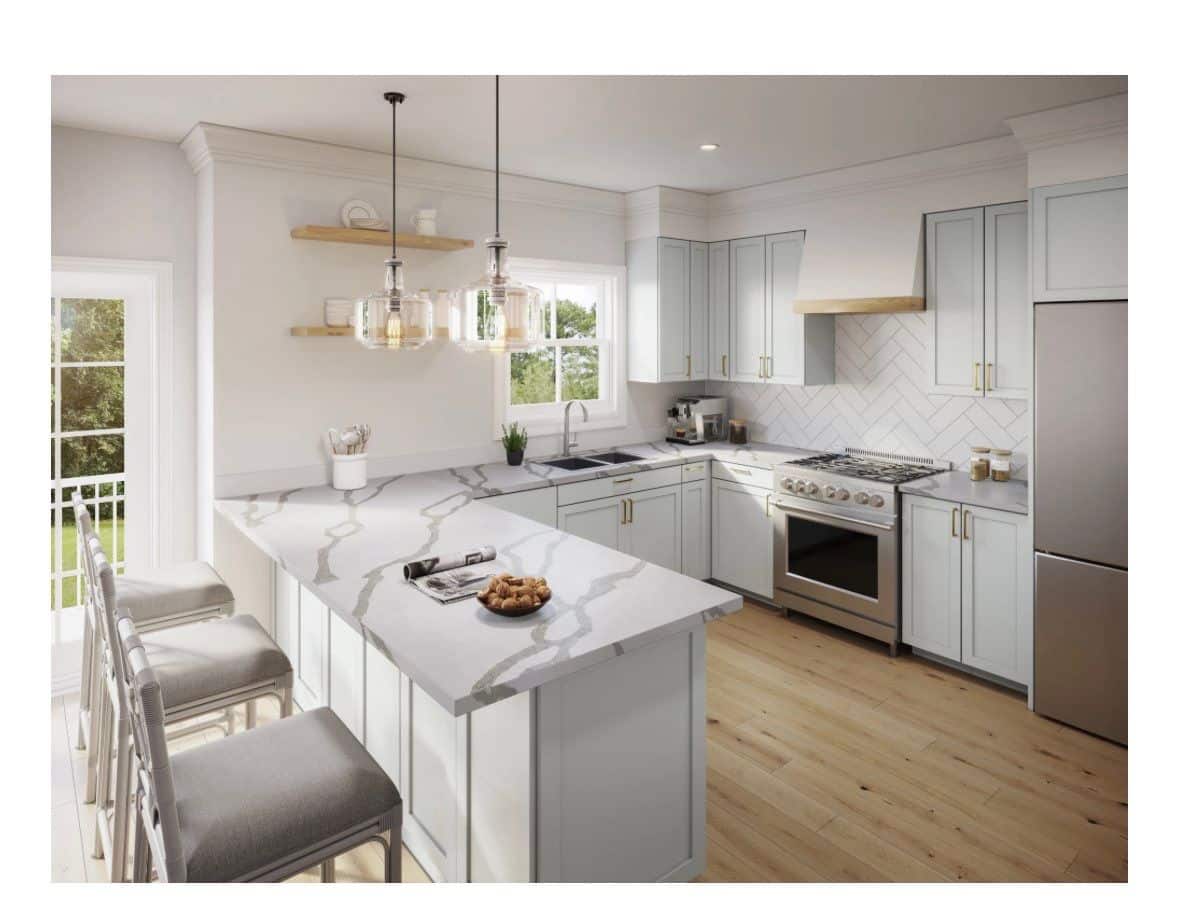
Before a single shovel touches dirt, you'll spend six to twelve weeks turning your vision into buildable plans. This phase determines everything that follows, so rushing it creates expensive problems later.
Initial Discovery and Site Evaluation
Your timeline starts with a discovery call where you share your vision, budget, timeline, and site details. JJ Builders walks your property to assess soil conditions, utility access, setbacks, and any site challenges that could affect cost or schedule. If you're building in Riverside, Corona, or Rancho Cucamonga, we evaluate fire zone requirements, seismic considerations, and local zoning constraints upfront.
This discovery phase typically takes one to two weeks. You'll leave with a preliminary budget range and a clear sense of whether your vision aligns with your lot and budget.
Architectural Drawings and Selections
Once you commit to moving forward, your architect begins schematic designs. You'll review floor plans, elevations, and exterior finishes. Expect two to three rounds of revisions as you refine layouts, adjust square footage, and lock in the big decisions like roof pitch, window placement, and room flow.
Simultaneously, you'll start making material selections: Andersen windows, James Hardie siding, Kohler fixtures, Benjamin Moore paint colors, flooring, tile, countertops. The earlier you finalize these choices, the tighter your budget and timeline. Late changes trigger change orders and delays.
This design and selection period runs four to eight weeks for most custom homes. Larger or more complex projects can stretch to twelve weeks.
Engineering and Permitting Prep
Once architectural plans are final, structural engineers add calculations for foundation, framing, and seismic bracing. We compile energy compliance reports, soils reports, and any additional studies required by Riverside County or your local municipality.
Permit-ready plan sets typically take two to three weeks to finalize after architectural sign-off.
Phase 2: Permitting and Pre-Construction (4 to 8 Weeks)
Permitting is where timelines get unpredictable. Riverside city permitting currently runs four to six weeks for straightforward custom home plans. More complex designs, hillside lots, or projects in wildfire hazard zones can stretch to eight weeks or longer.
Submittal and Plan Review
JJ Builders submits your complete plan set to the city building department. Plan reviewers check for code compliance, zoning conformity, fire safety, energy efficiency, and structural integrity. They'll issue correction requests if anything needs revision.
You can't control review speed, but you can control plan quality. Incomplete or poorly detailed plans get kicked back repeatedly, adding weeks to your timeline. We submit clean, thorough plans the first time to minimize revisions.
Permit Issuance and Subcontractor Scheduling
Once the city issues your building permit, we finalize subcontractor schedules and order long-lead materials. Andersen windows, custom cabinetry, and specialty fixtures often require six to ten weeks for fabrication, so we order during permitting to avoid delays later.
This pre-construction phase also includes site prep: temporary utilities, jobsite fencing, portable restrooms, and material staging areas. We coordinate inspections schedules with the city so each phase flows smoothly.
General Contracting involves managing every permit, inspection, and municipal requirement so you never have to navigate it yourself.
Phase 3: Foundation and Site Work (3 to 5 Weeks)
Groundbreaking marks the visible start of construction. Foundation work in Riverside typically takes three to five weeks depending on soil conditions, foundation type, and weather.
Grading, Trenching, and Footings
Excavation begins with site grading to establish drainage and building pad elevation. Trenching crews dig footing trenches, and plumbers rough in underground sewer and water lines. Inspectors verify trench depth, rebar placement, and compacted gravel before concrete trucks arrive.
Footing pours happen in one day, followed by a two to three day cure period. Foundation walls go up next, either poured concrete or concrete block depending on your design and budget.
Slab or Crawlspace Construction
Slab foundations pour after plumbing rough-in and rebar inspection. Crawlspace foundations require stem walls, vapor barriers, and ventilation. Either way, expect another inspection before moving to framing.
Summer heat in Riverside accelerates concrete curing, which slightly speeds this phase. Winter rain delays are rare but possible from December through February.
Phase 4: Framing and Dried-In (6 to 8 Weeks)
Framing transforms your foundation into a recognizable house. This phase runs six to eight weeks for most custom homes and includes wall framing, roof framing, window installation, and exterior sheathing.
Wall and Roof Framing
Framers build exterior walls, interior partition walls, and structural beams. Roof trusses or rafters follow, along with sheathing and felt paper. The structure takes shape quickly, often within two to three weeks for the framing crew.
You'll see daily progress during framing. We schedule weekly walkthroughs so you can visualize room sizes, ceiling heights, and sightlines before drywall covers everything.
Windows, Doors, and Weather Barrier
Andersen windows and exterior doors install once framing passes inspection. We wrap the exterior with weather-resistant barriers and install James Hardie siding or your chosen exterior finish. Once the roof is shingled and windows are in, your home is "dried in," meaning weather can't damage interior work.
This is a critical milestone. Drying in protects the interior from Riverside's occasional winter rain and allows mechanical, electrical, and plumbing crews to start work regardless of weather.
Framing Inspections
Multiple inspections happen during framing: foundation pre-pour, framing rough-in, shear wall nailing, and roof framing. Each must pass before the next trade begins. Inspection delays add days or weeks if your inspector's schedule is backlogged, so we coordinate these early and often.
Phase 5: Rough Mechanical, Electrical, and Plumbing (4 to 6 Weeks)
Once framing is complete and inspected, the systems phase begins. Electricians, plumbers, and HVAC technicians rough in all the infrastructure hidden behind your walls.
Electrical Rough-In
Electricians pull wire for outlets, switches, lighting, and appliances. They install service panels, subpanels, and any smart home or solar pre-wiring you've specified. This takes one to two weeks depending on home size and complexity.
Plumbing Rough-In
Plumbers install supply lines, drain lines, and vent stacks for kitchens, bathrooms, laundry, and exterior hose bibs. If you're adding a Rinnai tankless water heater, gas lines get roughed in now. Plumbing rough-in typically takes one to two weeks.
HVAC and Insulation
HVAC crews install ductwork, registers, and equipment pads. Insulation follows, with spray foam or batt insulation filling exterior walls and attic spaces. Energy code compliance depends on proper insulation installation, so this phase includes a mandatory insulation inspection before drywall.
Rough mechanical inspections happen after all three trades finish. Any corrections must happen before drywall hangers arrive.
Custom Home Building projects require careful coordination during this phase to avoid trade conflicts and rework.
Phase 6: Drywall, Texture, and Paint (4 to 5 Weeks)
Drywall transforms your framed house into recognizable rooms. This phase takes four to five weeks and includes hanging, taping, texturing, priming, and painting.
Drywall Installation and Finishing
Drywall hangers cover walls and ceilings, then tapers apply joint compound and sand seams smooth. Texture (smooth, orange peel, or knockdown) follows. Each coat requires drying time, so this process takes two to three weeks.
Interior Paint
Once texture is complete and approved, painters apply primer and two coats of Benjamin Moore paint in your selected colors. Paint takes one to two weeks depending on home size, color changes between rooms, and detail work around trim and cabinetry.
This is when your home starts feeling real. Room proportions become clear, and you can visualize furniture placement and décor.
Phase 7: Finishes, Fixtures, and Flooring (5 to 7 Weeks)
The finish phase installs everything you touch and see daily: flooring, cabinetry, countertops, tile, fixtures, appliances, and trim. This phase runs five to seven weeks and requires careful sequencing to avoid damage.
Flooring Installation
Hardwood, tile, luxury vinyl, or carpet installers complete your flooring. We typically install hard surfaces first, then protect them during remaining work. Carpet goes in last to avoid construction damage.
Cabinetry and Countertops
Custom cabinets arrive and install in kitchens, bathrooms, laundry rooms, and any built-in storage areas. Countertop fabricators template once cabinets are set, then return one to two weeks later to install granite, quartz, or marble tops. Kohler fixtures, sinks, and faucets install after countertops.
Tile and Specialty Finishes
Bathroom tile, kitchen backsplashes, and any decorative tile work happen during this phase. Often showcase intricate tile patterns that require extra time and craftsmanship.
Trim, Doors, and Hardware
Finish carpenters install baseboards, door casings, crown molding, interior doors, and hardware. This detail work takes precision and patience. Rushed trim work shows forever, so we allocate proper time for quality installation.
Appliance and Fixture Installation
Appliances, light fixtures, bathroom accessories, and final plumbing fixtures install near the end of this phase. Electricians and plumbers return to connect everything and test operation.
Phase 8: Final Inspections and Walk-Through (2 to 3 Weeks)
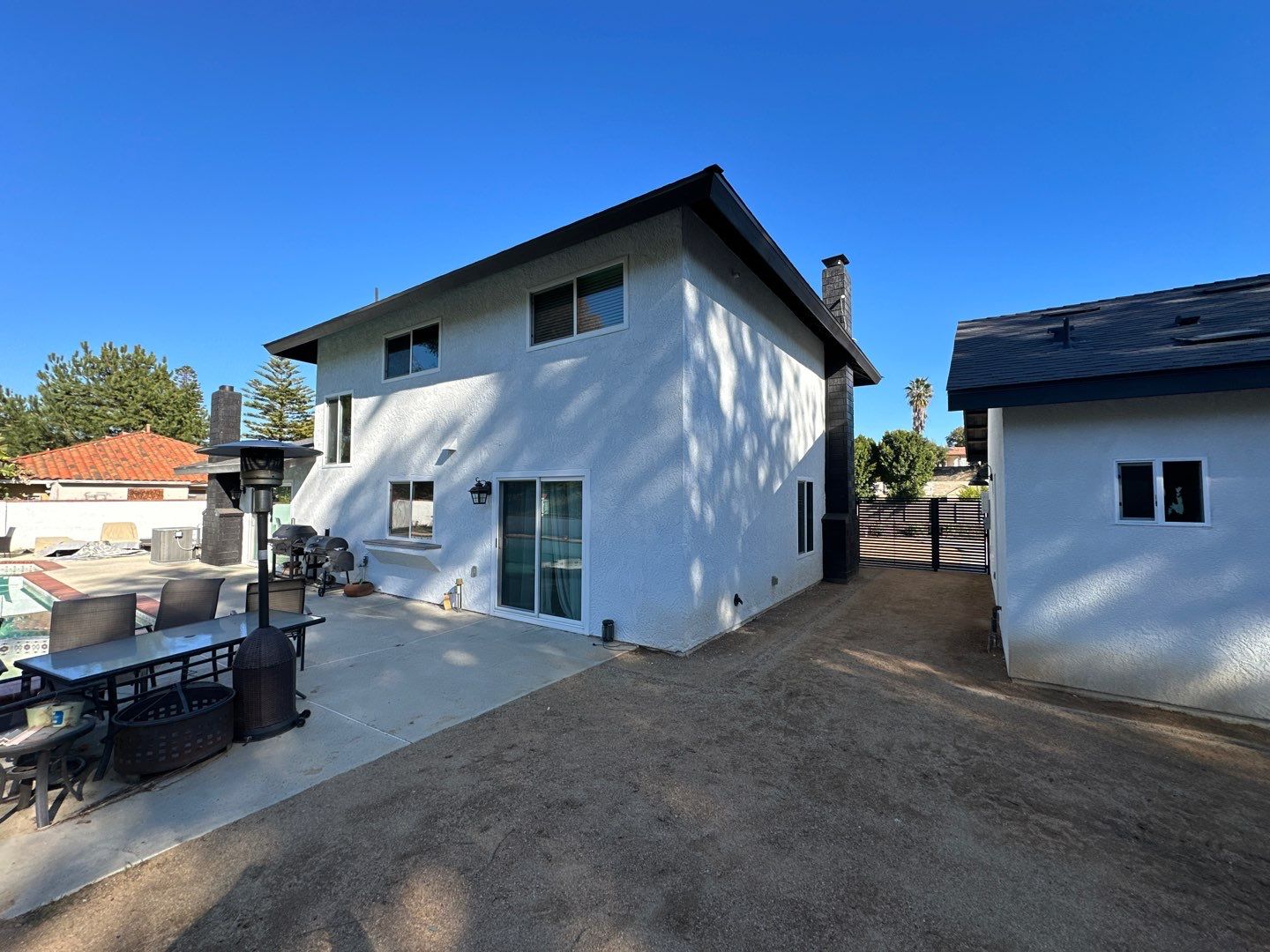
Your custom home is nearly complete. The final phase includes inspections, punch list corrections, final cleaning, and your pre-move-in walk-through.
Final Building Inspection
The city conducts a final inspection covering electrical, plumbing, mechanical, energy compliance, and life safety. This inspection must pass before you receive your certificate of occupancy.
Minor corrections are common: a missing outlet cover, a loose handrail, a window lock adjustment. We address these immediately and schedule re-inspection if needed.
Punch List and Corrections
You'll walk through your completed home with JJ Builders to create a punch list of any remaining items: touch-up paint, cabinet adjustments, floor repairs, or cosmetic details. We correct everything on your list before final walk-through and key handoff.
Certificate of Occupancy and Move-In
Once final inspection passes and punch list items are complete, the city issues your certificate of occupancy. You're legally cleared to move in. We hand over keys, garage remotes, appliance manuals, and your written warranty documentation.
Home Remodels follow a similar inspection and punch-list process, though timelines are shorter for renovation projects.
Factors That Affect Your Custom Home Construction Timeline
Even with perfect planning, certain factors can extend or compress your schedule.
Permit Delays and Plan Revisions
Riverside city permitting runs faster than many Southern California jurisdictions, but backlogs happen. Plan revisions, incomplete submittals, or projects requiring discretionary review add weeks.
Site Conditions and Unforeseen Issues
Poor soil requires deeper footings or engineered fill. Underground utilities in unexpected locations force rerouting. Rock excavation costs time and money. Thorough site evaluation during design minimizes surprises, but some issues only appear during construction.
Material Lead Times and Supply Chain
Custom windows, specialty fixtures, and engineered materials often require six to twelve weeks for fabrication. We order long-lead items during permitting, but last-minute changes or backorders can delay installation phases.
Weather and Seasonal Considerations
Riverside's summer heat rarely stops work, but it does slow concrete curing and outdoor labor productivity. Winter rain can delay foundation pours, grading, and exterior finishes. Most builders avoid starting foundations in December or January to minimize weather risk.
According to building code standards, proper weather protection during construction prevents long-term moisture and structural issues.
Homeowner Decision Speed
Your selection speed directly affects your timeline. Delayed decisions on tile, fixtures, paint colors, or cabinetry push installation dates and create scheduling gaps. We provide selection deadlines early so you have time to decide without pressure.
How JJ Builders Keeps Your Project on Schedule
We've refined our process over nearly two decades to minimize delays and keep clients informed.
Transparent Pre-Construction Planning
We lock in scope, selections, and budget before breaking ground. Change orders still happen, but they're rare when planning is thorough. Clear upfront planning is the single biggest factor in keeping a custom build on budget and on schedule.
Weekly Progress Updates
You'll receive weekly updates via email or text with photos, completed milestones, upcoming work, and any schedule adjustments. You always know where things stand.
Licensed and Reliable Trade Partners
We work with the same electricians, plumbers, framers, and finishers on every project. They know our standards, show up on schedule, and deliver quality work the first time. Reliable trades eliminate the biggest source of construction delays.
Proactive Inspection Scheduling
We schedule inspections days in advance and ensure work is 100% ready when inspectors arrive. Failed inspections delay everything downstream, so we get it right the first time.
Additions and ADU projects follow the same proactive scheduling approach, just on compressed timelines.
Riverside-Specific Timeline Considerations
Building in the Inland Empire brings unique factors that affect scheduling.
Summer Heat and Construction Windows
Riverside summers regularly hit 100°F-plus. Concrete work happens early morning. Exterior work slows during midday heat. Framers and roofers start at sunrise and wrap by early afternoon. Summer builds take slightly longer due to shortened work windows, but the trade-off is minimal rain risk.
Wildfire Season and Air Quality
September through November brings wildfire risk and occasional smoke events. Severe air quality days can pause exterior work for safety reasons. These delays are unpredictable and usually brief.
Permit Processing in Riverside County
Riverside city permitting currently averages four to six weeks for custom homes. County unincorporated areas sometimes run longer. Corona, Moreno Valley, and Rancho Cucamonga have similar timelines, though each jurisdiction has unique quirks.
Seismic and Fire Code Requirements
California's strict seismic and fire codes add engineering time and inspection steps compared to other states. Every custom home requires structural engineering, shear wall inspections, and fire-resistant construction details. These requirements protect your investment but add weeks to the overall timeline.
Planning Your Current Housing During the Build
Nine to fourteen months is a long time to wait. Most clients either stay in their current home, rent temporarily, or time their build around a home sale.
Option 1: Stay in Your Current Home
If you own your current home outright or have a low mortgage payment, staying put during construction is the least stressful option. You avoid moving twice and temporary housing costs.
Option 2: Rent Temporarily
Selling your current home before your custom build is complete creates a gap. Short-term rentals in Riverside, Corona, or Rancho Cucamonga give you flexibility if your construction timeline shifts. Budget for six to twelve months of rent plus moving costs.
Option 3: Time Your Sale to Completion
Some clients list their current home four to six months into construction, aiming to close escrow the same month their custom home finishes. This requires accurate timeline projection and some luck. It saves money but creates stress if delays happen.
We help you map realistic timelines during your discovery call so you can plan your housing transition with confidence.
What Happens If Your Timeline Slips?
Delays happen. Permits take longer than expected. Material shipments arrive late. Weather interferes. Inspectors reschedule.
Transparent communication makes all the difference. JJ Builders notifies you immediately when delays occur, explains the cause, and revises your projected completion date. You're never left wondering why work stopped or when it will resume.
We also build buffer time into our initial projections. A project we estimate at twelve months often finishes in eleven, because we plan conservatively and execute efficiently.
Real Client Experiences with JJ Builders Timelines
Micaela B. shared: 'I recently had the pleasure of working with Josh, a contractor who facilitated the construction of our Additional Dwelling Unit (ADU), and I cannot express enough how seamless and enjoyable the entire process was.'
Matthew B. noted: 'HUGE SHOUTOUT to Joshua at J.J Builders. They ensure your project is done quickly, professionally, and efficiently. Biggest thing I appreciate is the constant communication. For me, communication is key.'
These experiences reflect our commitment to realistic timelines, proactive updates, and finishing on schedule.
Frequently Asked Questions
How long does a custom home take to build in Riverside, CA?
Typical custom home timelines run 9 to 14 months from groundbreaking to move-in, depending on size, complexity, and local permitting. Design and planning add another 6 to 12 weeks before construction starts. JJ Builders shares weekly progress updates so you always know where things stand.
What is the biggest factor in keeping a custom build on schedule?
Clear upfront planning. When selections, site conditions, and scope are locked in before breaking ground, change orders and delays drop dramatically. We plan thoroughly on the front end so surprises during construction are rare.
How long does permitting take for a custom home in Riverside?
Riverside city permitting currently averages 4 to 6 weeks for straightforward custom home plans. More complex designs, hillside lots, or projects in wildfire hazard zones can stretch to 8 weeks or longer. JJ Builders manages every permit and inspection from start to finish.
Can I move into my custom home before final inspection?
No. California law requires a certificate of occupancy from the city before you can legally occupy your new home. Final inspection must pass first. This protects you by ensuring all systems, safety features, and code requirements are verified before move-in.
Your custom home timeline doesn't have to be a mystery. With realistic expectations, transparent communication, and experienced local builders who understand Riverside's unique factors, you can plan confidently from design through move-in. JJ Builders has guided Inland Empire homeowners through hundreds of custom builds with clear timelines, weekly updates, and a written warranty at closeout.
Schedule a free discovery call with JJ Builders to map your custom build timeline. We'll assess your site, discuss your vision, and provide a realistic month-by-month roadmap from groundbreaking to keys in hand. Call 626-808-1642 or Contact us today.