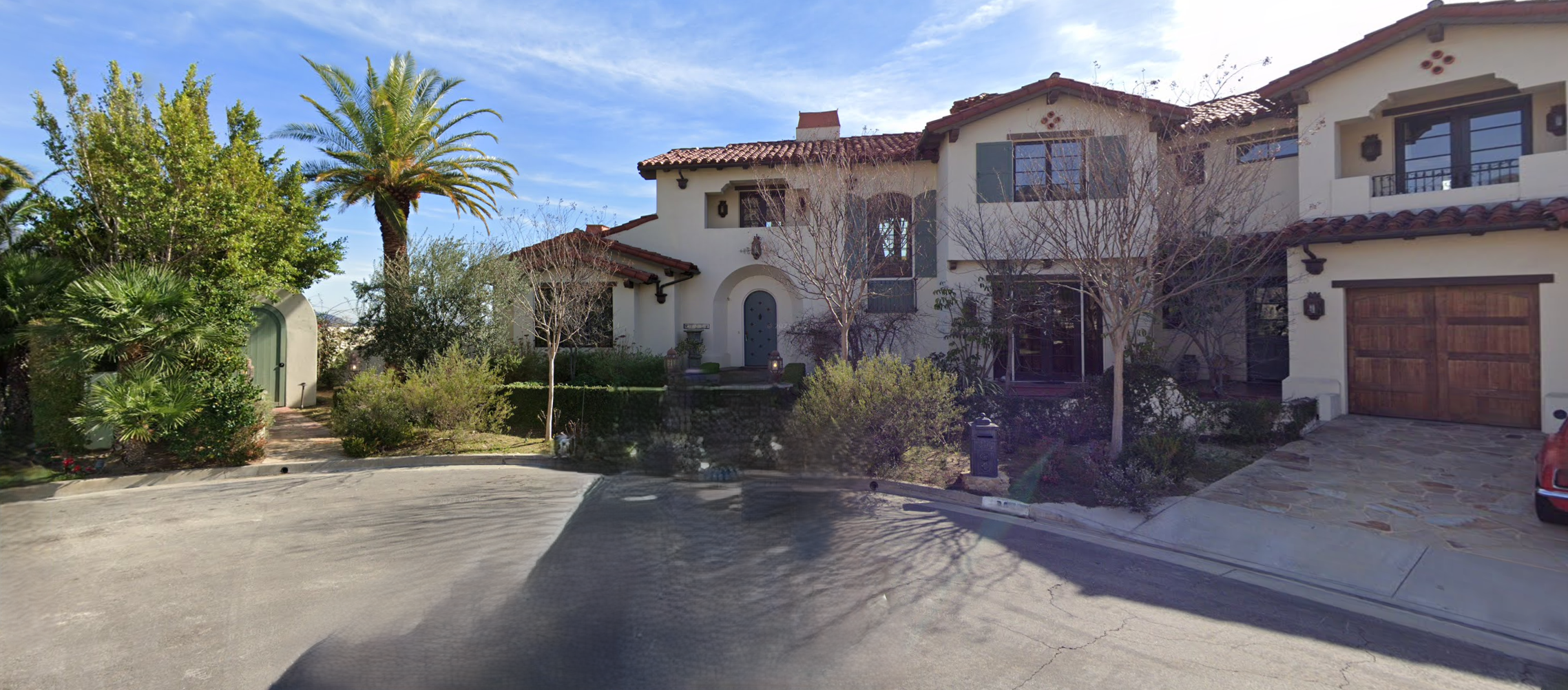
You want more space. Maybe it's rental income, a home office, or a place for aging parents. But you're staring at two very different paths: build a brand-new detached ADU in your backyard, or convert the garage you already have.
Both work. Both add square footage. But they solve different problems, cost different amounts, and impact your Corona property in distinct ways. Homeowners in older Corona neighborhoods with compact lots face different trade-offs than those in newer developments with three-car garages and larger setbacks. And if you're weighing resale value against upfront cost, the choice gets even trickier.
This guide walks you through the real variables: cost, parking, zoning, rental income potential, and long-term property value. By the end, you'll know which option fits your lot, your budget, and your goals.
Detached ADU Corona: Building New from the Ground Up

A detached ADU is a standalone structure built in your backyard. It's separate from your main house, with its own foundation, utilities, and entrance.
When a Detached ADU Makes Sense
You have a larger lot (typically 7,000+ square feet in Corona's older neighborhoods, or 8,500+ in newer developments). You want maximum privacy for tenants or family. You need to preserve your existing garage for parking and storage. And you're willing to invest more upfront for higher long-term value.
Detached ADUs give you design freedom. You control layout, ceiling height, finishes, and outdoor access. You're not constrained by existing garage dimensions or ceiling joists. You can orient the unit to capture views, avoid afternoon sun, or create a private courtyard.
Detached ADU Costs in Corona
Construction costs vary based on size, finishes, and site conditions. Grading, utility trenching, and setback compliance add to the budget. Permit fees in Corona run higher for new construction than conversions. And you'll need a full set of architectural plans, structural engineering, and Title 24 energy compliance.
Site prep often becomes the largest budget surprise. If your backyard slopes, you'll pay for significant retaining-wall costs or additional grading. If utilities run along the opposite side of your lot, trenching adds substantial expense. Older Corona neighborhoods sometimes require sewer lateral upgrades when adding a new dwelling unit.
ADUs (Accessory Dwelling Units) projects we've completed in the Inland Empire typically run 9 to 14 months from design to occupancy, depending on plan check timelines and material availability.
Zoning and Setback Rules for Detached ADUs in Corona
Corona allows detached ADUs up to 1,200 square feet (or the size of the primary dwelling, whichever is smaller). You need four-foot side and rear setbacks under state ADU law, though some Corona HOAs impose stricter rules. Height limits cap at 16 feet for structures within those setbacks, or 25 feet if you're farther back.
Older Corona neighborhoods (pre-1990s construction) often have narrow lots with minimal side yards. Newer developments in areas like Dos Lagos or Eagle Glen offer wider lots, making detached ADUs easier to site without encroaching on usable yard space.
Resale Value and Rental Income Potential
Detached ADUs add the most appraised value. Appraisers treat them as true secondary dwellings, comparable to small cottages or guesthouses. Buyers pay a premium for turnkey rental income or multigenerational living setups.
Rental rates in Corona for a studio or one-bedroom detached ADU are competitive depending on finishes and location. That income stream often recoups construction costs within a reasonable timeframe, and it boosts your property's cash-flow appeal when you sell.
Garage Conversion ADU: Repurposing Existing Space
A garage conversion transforms your existing garage into livable space. You keep the foundation, roof, and exterior walls, but gut the interior for plumbing, electrical, insulation, and finishes.
When a Garage Conversion Makes Sense
You're on a smaller lot (under 7,000 square feet). You don't need the garage for parking (or you have a driveway that accommodates your vehicles). You want to minimize site work and shorten the timeline. And you're looking to control upfront costs while still adding rentable square footage.
Garage conversions work especially well in Corona's older neighborhoods, where lots are tight and backyards are already landscaped or pooled. You're not sacrificing yard space, and you're leveraging a structure that's already permitted and built.
Garage Conversion Costs in Corona
Conversions cost significantly less than new construction because you're starting with a shell. You skip foundation work, framing, and roofing. But you still need full Title 24 energy upgrades, plumbing rough-in for a bathroom and kitchen, electrical panel upgrades (most garages share a circuit with the main house), and HVAC installation.
Insulation, drywall, and window replacement are the major cost drivers. Most garages have minimal insulation and single-pane windows. Bringing them to California energy code adds considerable expense. And if your garage slab isn't level or has cracks, you'll need repairs before laying flooring.
Home Remodels often involve similar gut-and-rebuild work, and we apply the same transparent pricing approach to garage conversions.
Parking Replacement Requirements in Corona
This is where garage conversions get tricky. California law requires one parking space per bedroom in your ADU. If you're converting a two-car garage into a one-bedroom ADU, you need to replace at least one covered parking space.
You can satisfy this with a carport, a new detached garage, or tandem driveway parking (if your driveway is long enough and meets setback rules). Some Corona HOAs require covered parking, which means you'll need to build a carport or small garage structure elsewhere on the lot.
If parking replacement isn't feasible, a detached ADU becomes the better option because it doesn't eliminate existing parking.
(/our-services/home-remodels/)]
Resale Value and Rental Income Potential
Garage conversions add value, but typically less than detached ADUs. Appraisers and buyers recognize the trade-off: you gained living space but lost parking and storage. In neighborhoods where garages are standard, that loss can dampen resale appeal.
Rental income potential is strong if the conversion is well-executed. A finished, permitted garage ADU with a full bathroom and kitchenette commands competitive rates in Corona. Tenants care more about livability than whether the unit was originally a garage, as long as it feels like a real home.
ADU vs Garage Conversion: Side-by-Side Comparison
Here's how the two options stack up across the factors Corona homeowners care about most:
Lot Size and Backyard Impact
- Detached ADU: Requires 7,000+ square foot lot for comfortable fit. Uses backyard space. Preserves garage.
- Garage Conversion: Works on smaller lots (5,000+ square feet). No backyard impact. Eliminates garage.
Upfront Investment
- Detached ADU: Higher investment due to foundation, framing, roofing, and site work. Longer permitting timeline.
- Garage Conversion: Lower investment by leveraging existing structure. Faster permit approval in most cases.
Parking and Storage
- Detached ADU: Keeps existing garage intact. No parking replacement required.
- Garage Conversion: Eliminates garage. Requires parking replacement per Corona code. Loses storage space.
Privacy and Layout Flexibility
- Detached ADU: Maximum privacy. Full design control. Can optimize for views, sun exposure, outdoor access.
- Garage Conversion: Constrained by existing garage footprint. Less privacy if unit faces the main house or street.
Resale Value
- Detached ADU: Adds the most appraised value. Treated as a true secondary dwelling by appraisers.
- Garage Conversion: Adds value but at a discount due to lost parking and storage.
Rental Income
- Detached ADU: Competitive rates for studio or one-bedroom units in Corona.
- Garage Conversion: Competitive rates depending on finishes and layout.
Corona-Specific Zoning Nuances and Lot Layouts
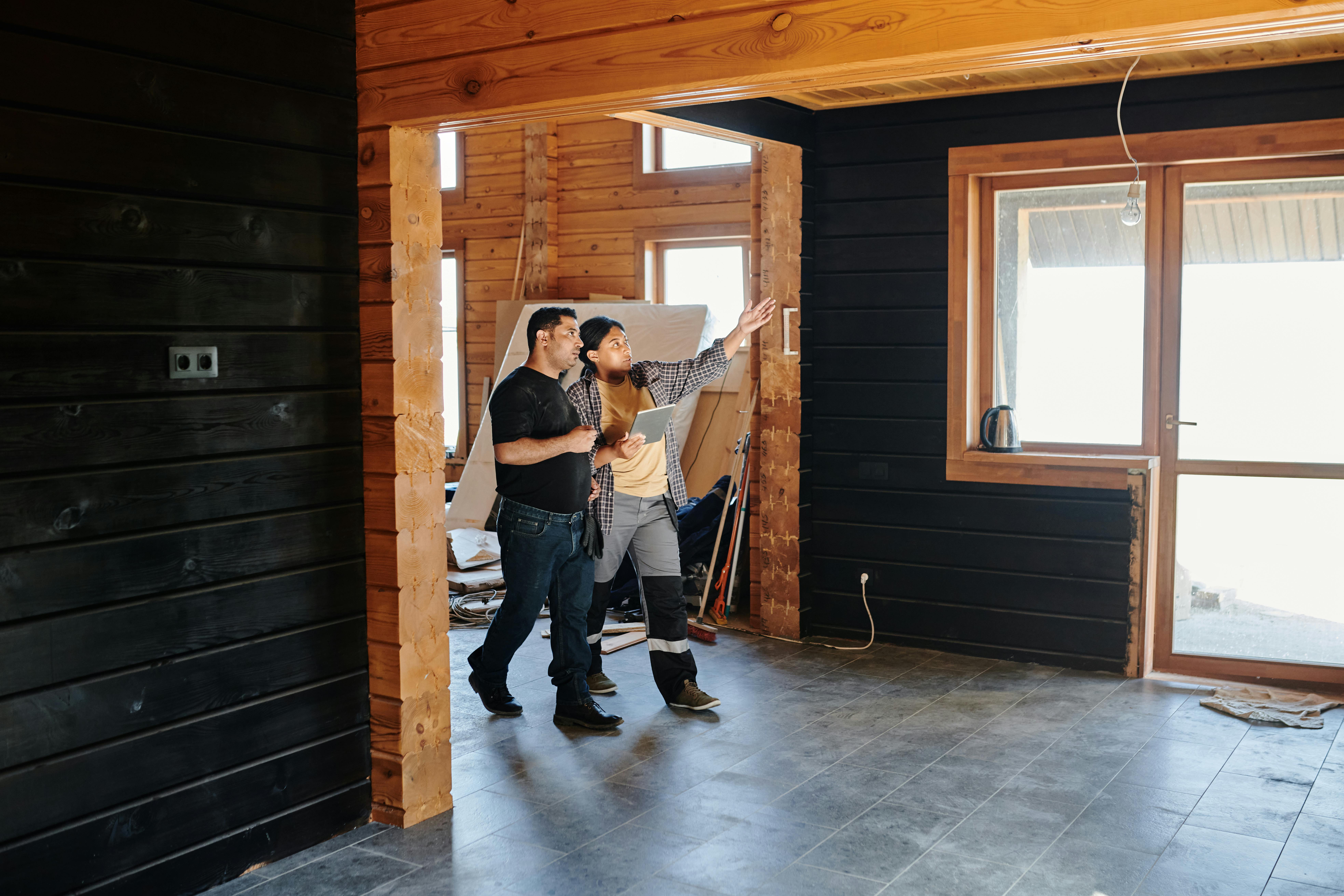
Corona's older neighborhoods (built 1970s, 1990s) feature smaller lots, often 6,000 to 7,500 square feet, with single-car or two-car garages. Detached ADUs are possible but require careful siting to meet setbacks without losing all your backyard. Garage conversions make more sense here if you can solve the parking replacement issue.
Newer developments (2000s, present) in areas like Dos Lagos, Sycamore Creek, and Eagle Glen offer larger lots, often 8,000 to 12,000 square feet, with three-car garages and deeper backyards. Detached ADUs fit comfortably, and you can often keep the garage for parking while adding a backyard unit for rental income or family.
Some Corona HOAs restrict ADUs or require design review. Always check your CC&Rs before committing to either option. We handle this review during the discovery phase of every general contracting project to avoid surprises mid-design.
Which Option Adds More Value Long-Term?
If resale value is your top priority, a detached ADU wins. Buyers pay more for properties with standalone rental units, especially in Corona's competitive housing market. The ability to generate rental income without sacrificing parking or storage makes detached ADUs highly desirable.
But if your lot is small, your budget is tight, or you don't need the garage, a well-executed garage conversion can deliver strong value. The key is doing it right: full permits, quality finishes, and a layout that feels like a real home, not a converted storage space.
Both options require careful planning. Site feasibility, zoning compliance, and transparent budgeting determine whether your ADU becomes a value-add or a regret. That's why we start every ADU project with a discovery call to understand your lot, your goals, and your constraints before drafting a single plan.
Custom Home Building clients often ask us to design ADUs alongside their main house, and we apply the same craftsmanship standards to both structures.
Frequently Asked Questions
Can I convert my garage into an ADU and still park in my driveway?
Yes, but you must meet Corona's parking replacement requirements. California law requires one parking space per bedroom in your ADU. If your driveway is long enough for tandem parking (one car behind another) and meets setback rules, you can satisfy the requirement without building a carport. Some HOAs require covered parking, which means you'll need a carport or small garage structure. We verify parking compliance during the design phase to avoid permit delays.
How much does a detached ADU add to my Corona home's resale value?
Appraisers typically add a significant percentage of the ADU's construction cost to your home's appraised value, depending on the quality of finishes, rental income potential, and neighborhood comps. A detached ADU also widens your buyer pool because it appeals to multigenerational families, investors, and buyers seeking rental income. Garage conversions add value too, but at a slight discount due to lost parking and storage.
Do I need architect-stamped plans for a garage conversion ADU in Corona?
Yes. Corona requires stamped architectural and structural plans for all ADU projects, including garage conversions. You'll also need Title 24 energy calculations, a plumbing and electrical plan, and sometimes a soils report if your garage slab needs reinforcement. We manage the full plan set and permitting process so you don't have to navigate it yourself, as detailed in our ADUs (Accessory Dwelling Units) service.
Which option has a faster timeline: detached ADU or garage conversion?
Garage conversions typically finish faster because you're starting with an existing structure. Plan check and construction combined usually run 6 to 9 months. Detached ADUs take 9 to 14 months from design to occupancy due to foundation work, framing, and utility trenching. Permitting timelines vary based on Corona's plan check backlog, but conversions generally move through faster because they're classified as remodels rather than new construction.
Your choice between a detached ADU and a garage conversion comes down to your lot, your parking needs, and your long-term goals. Both add value. Both expand your living space. And both require the same level of planning, permitting, and craftsmanship to deliver a result you'll be proud of.
We've guided dozens of Corona homeowners through this decision over nearly two decades in the Inland Empire. We'll assess your property, walk through the trade-offs specific to your situation, and deliver transparent pricing for either path. No guesswork. No surprises. Just a clear plan and a finished ADU that works.
Get a free ADU feasibility assessment for your Corona property. Call JJ Builders at 626-808-1642 or visit to schedule your discovery call.
For industry guidance, see Protect Your Family from Sources of Lead | US EPA.